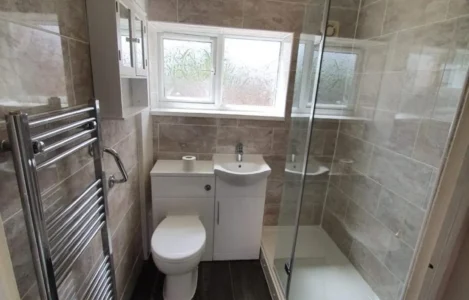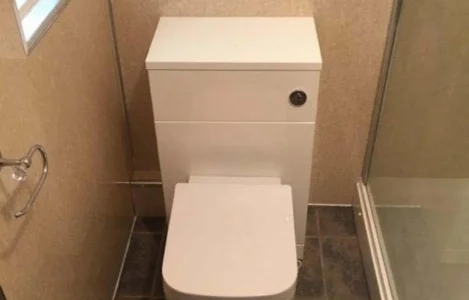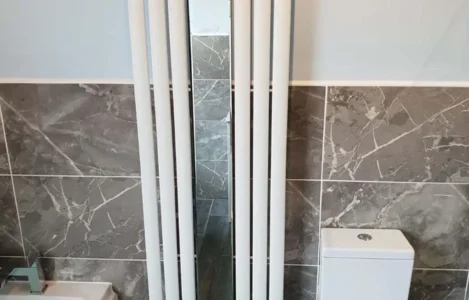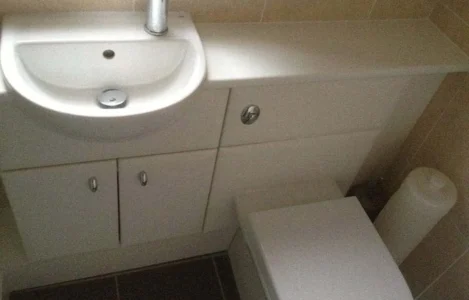

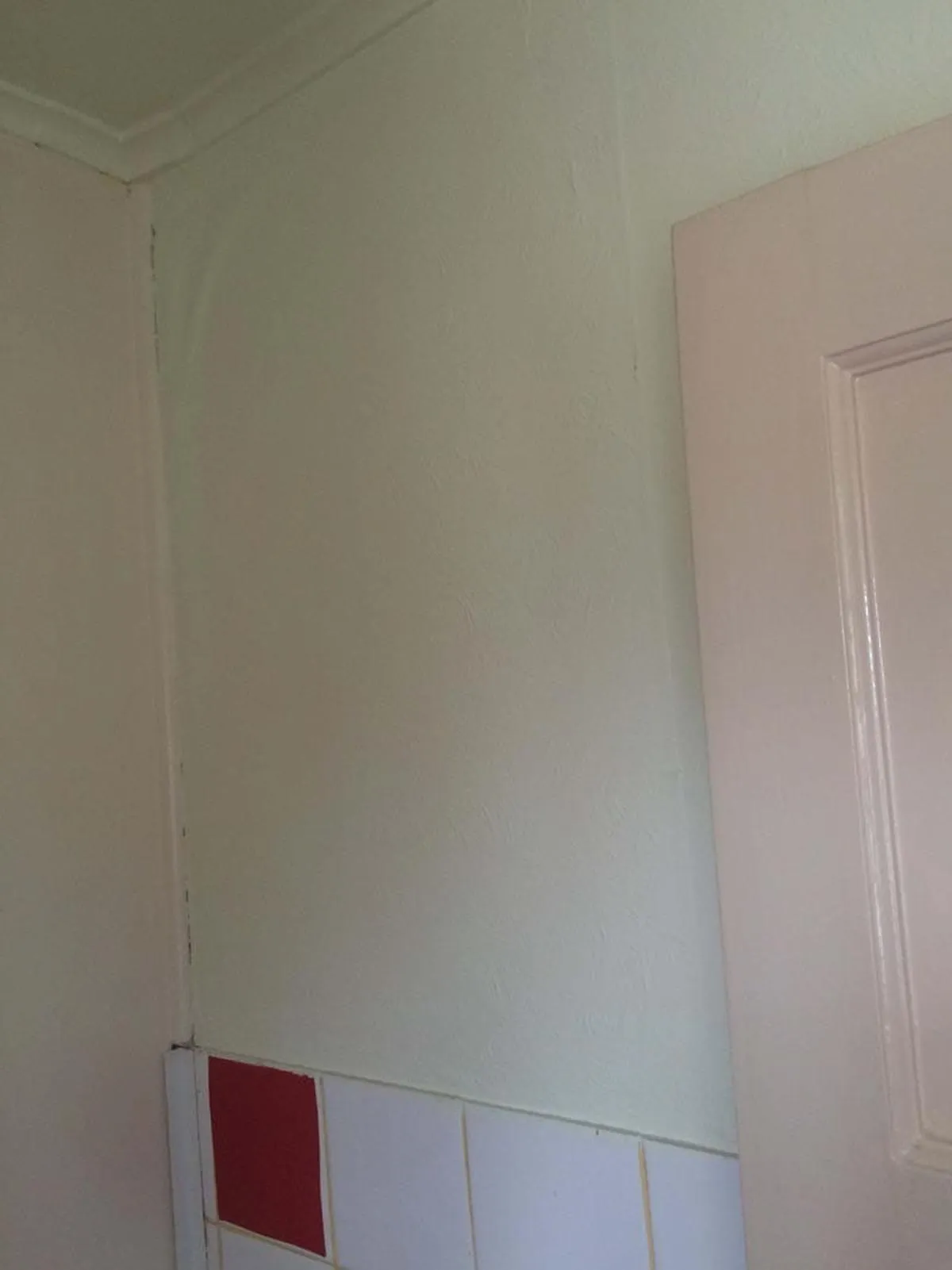
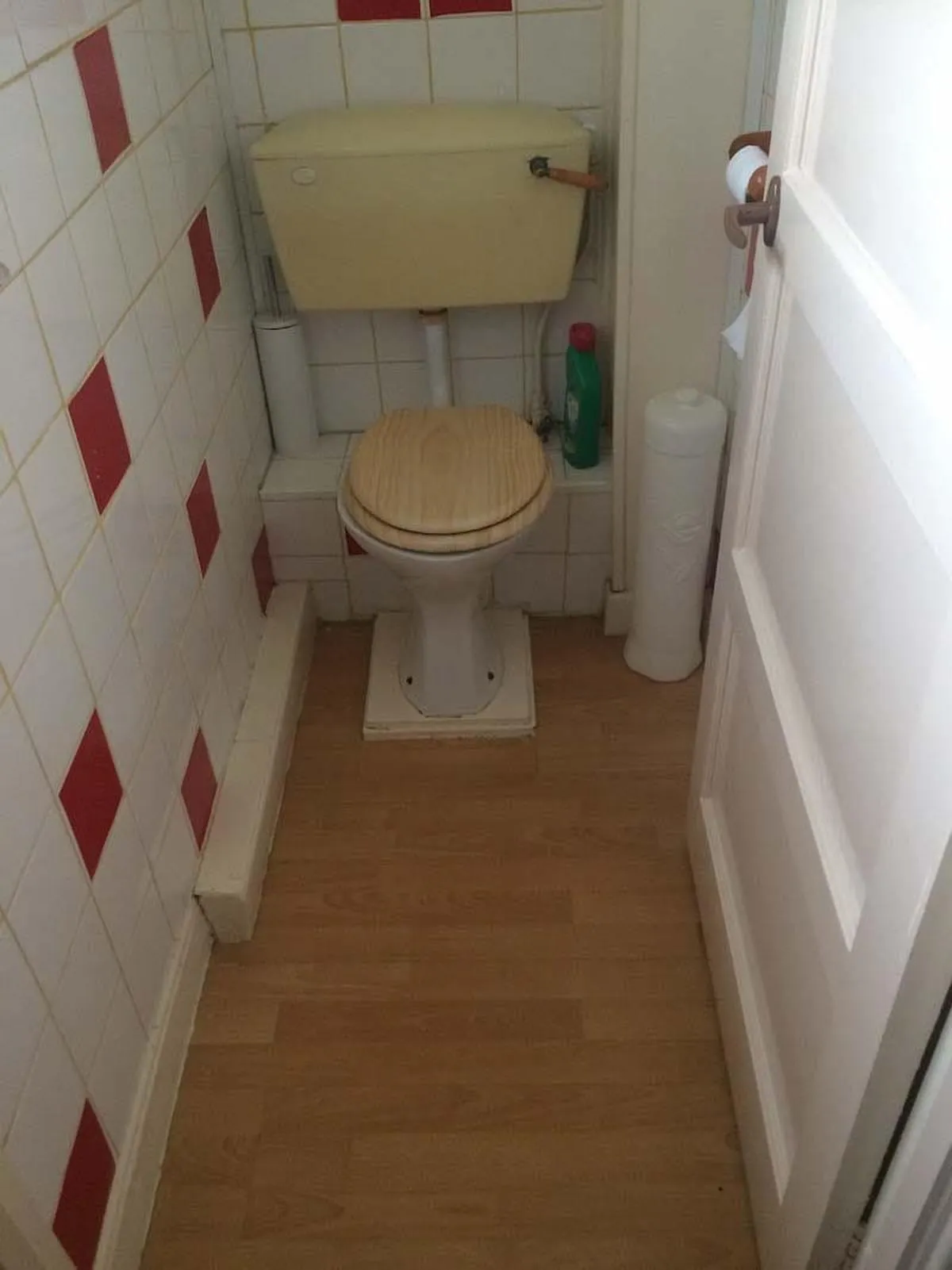
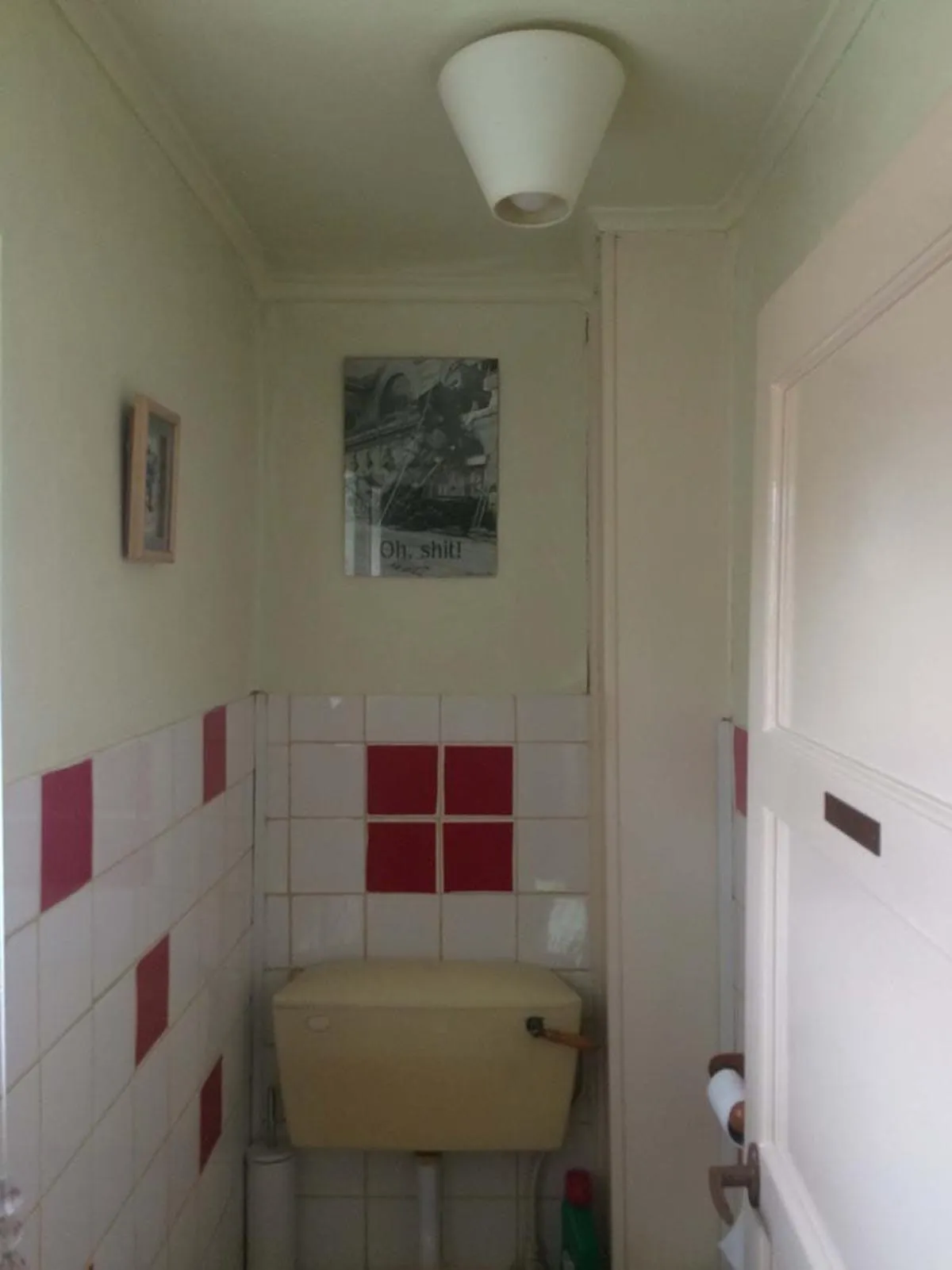
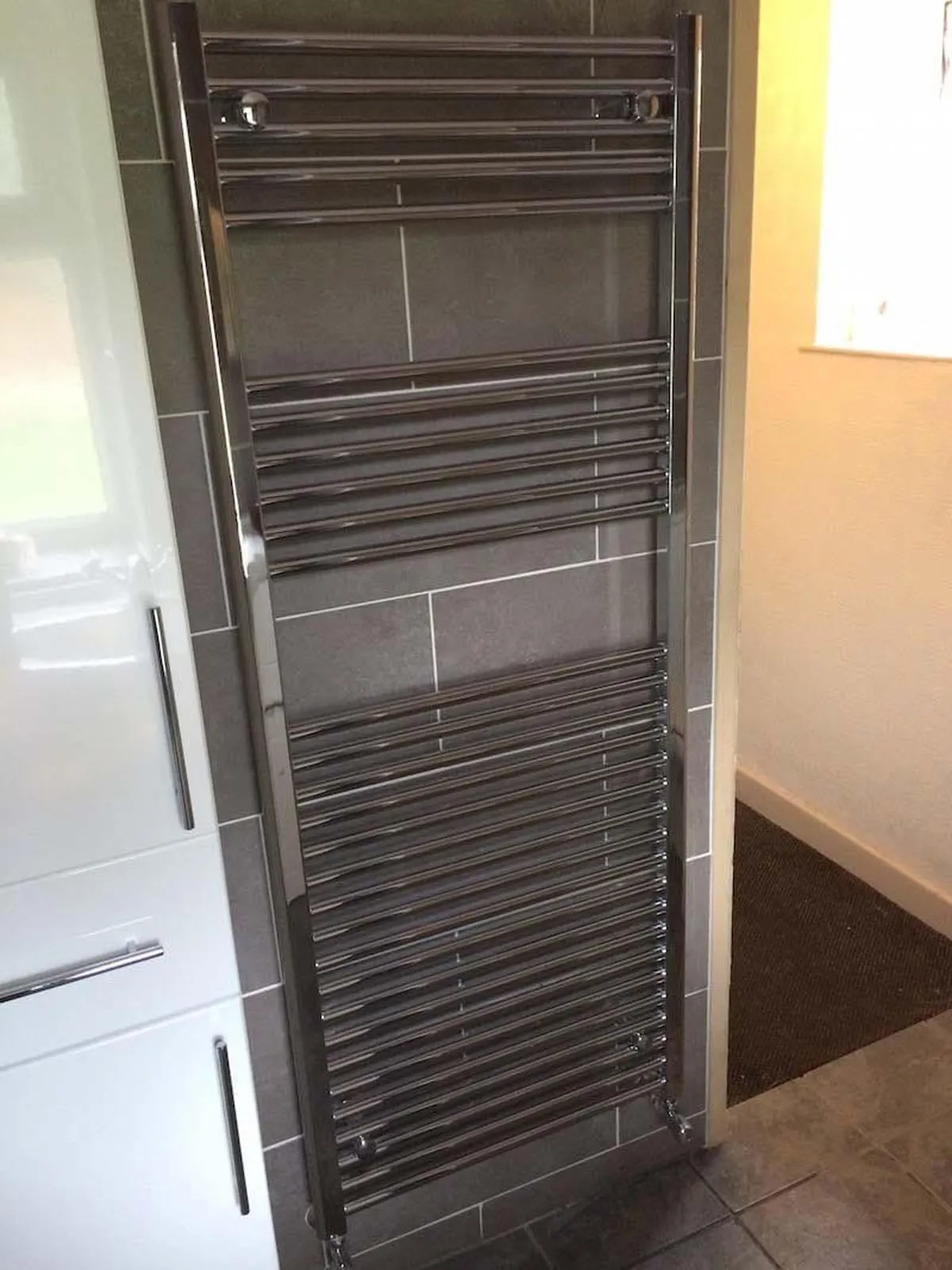
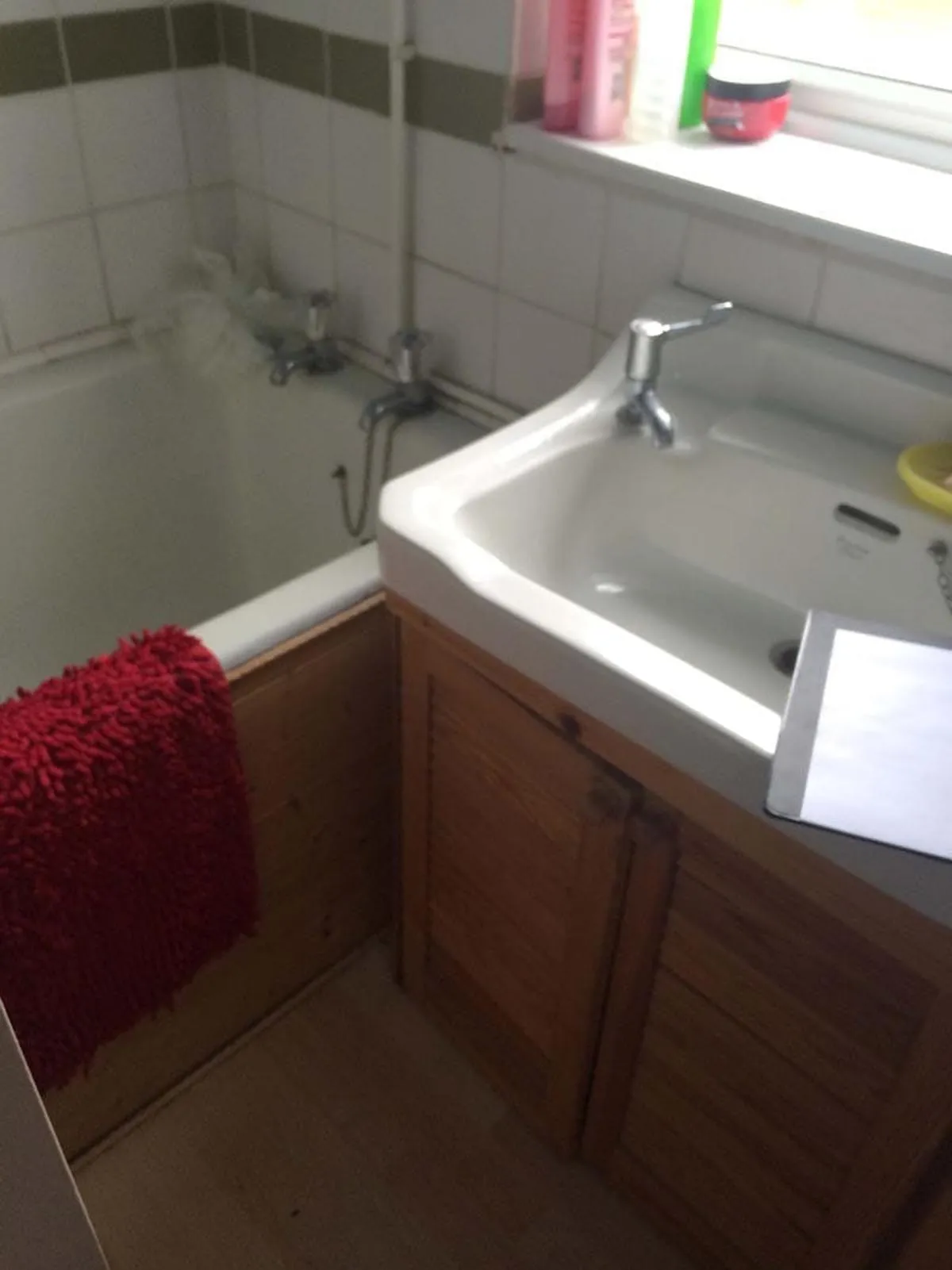
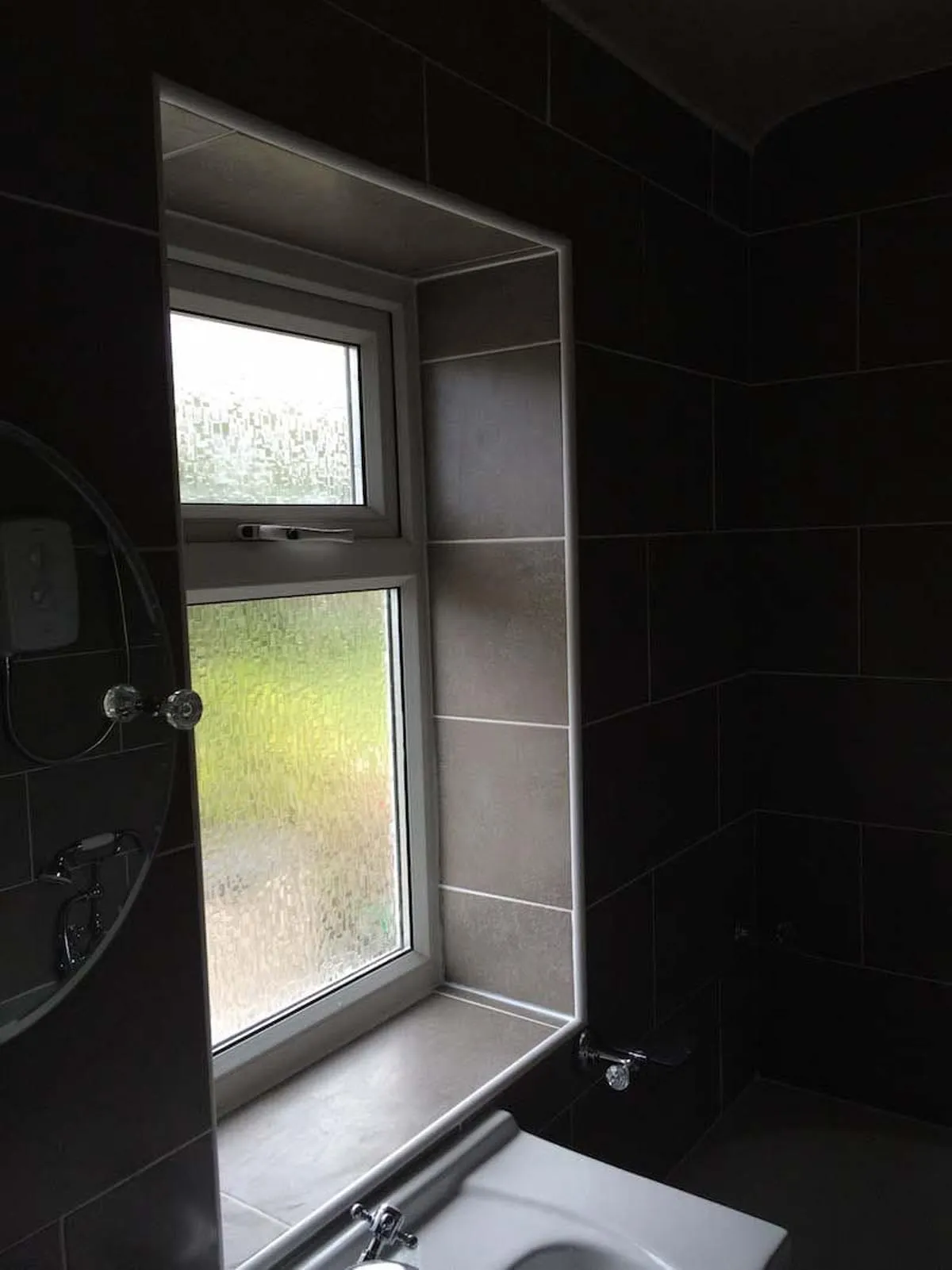
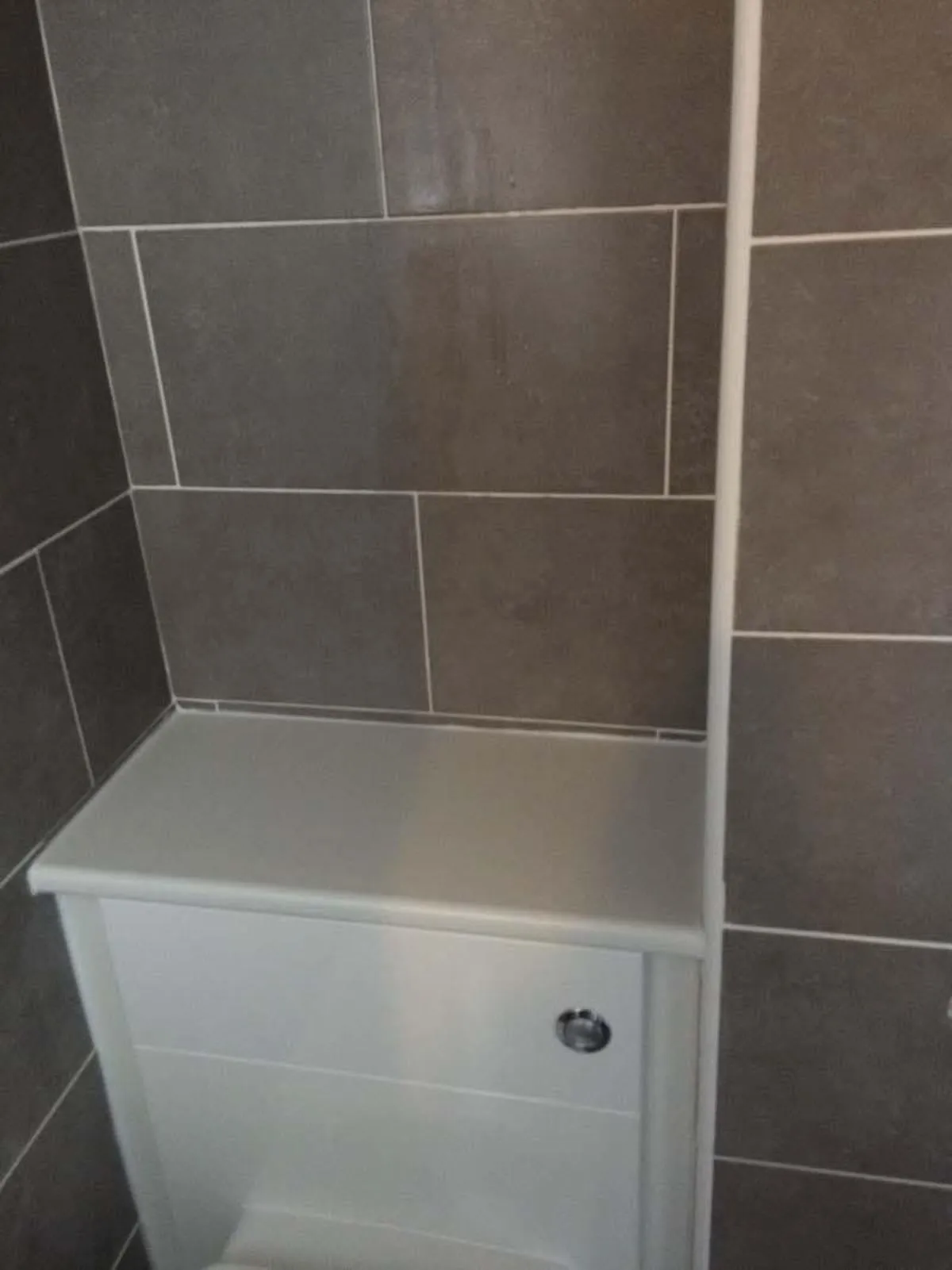
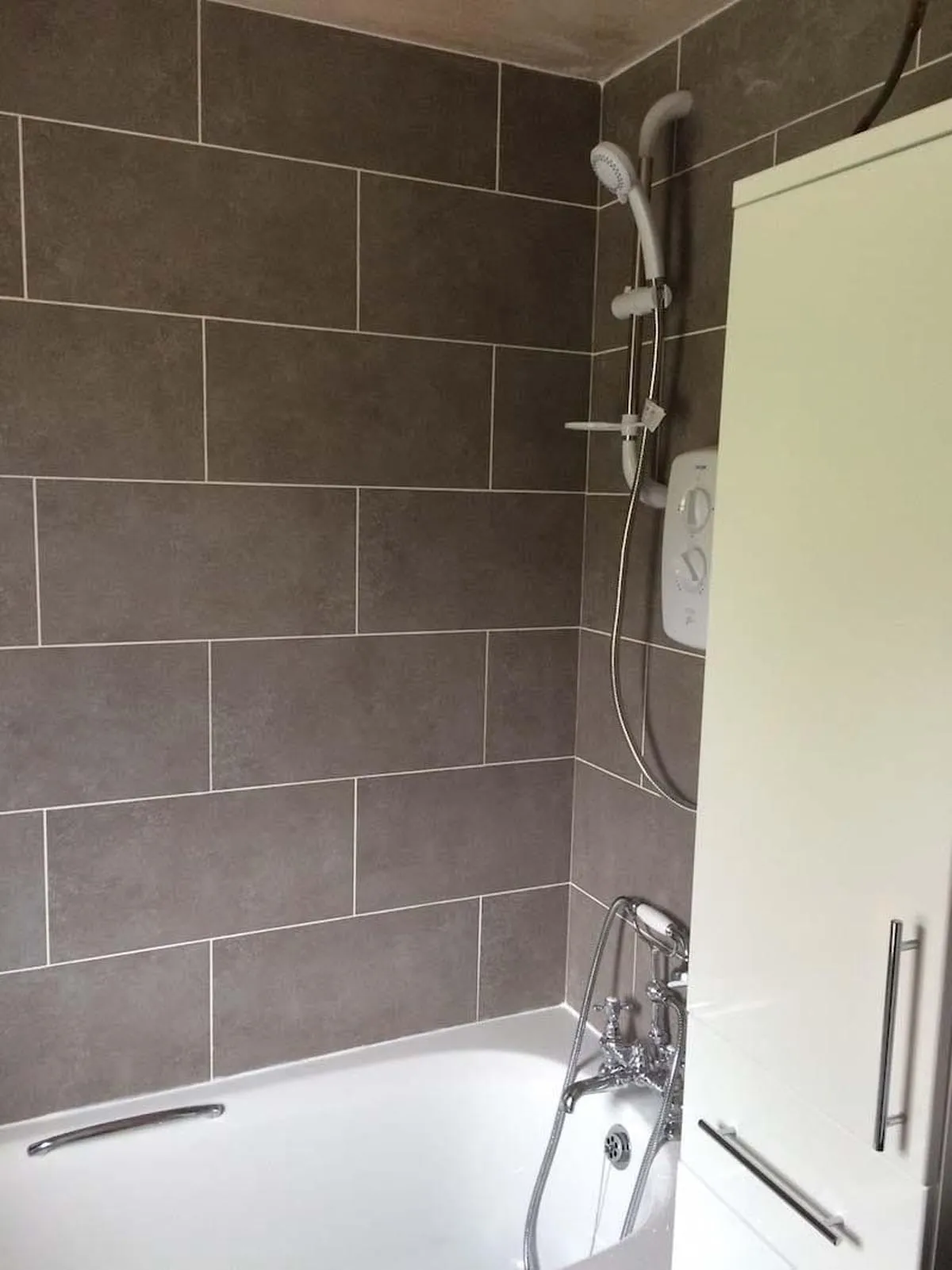
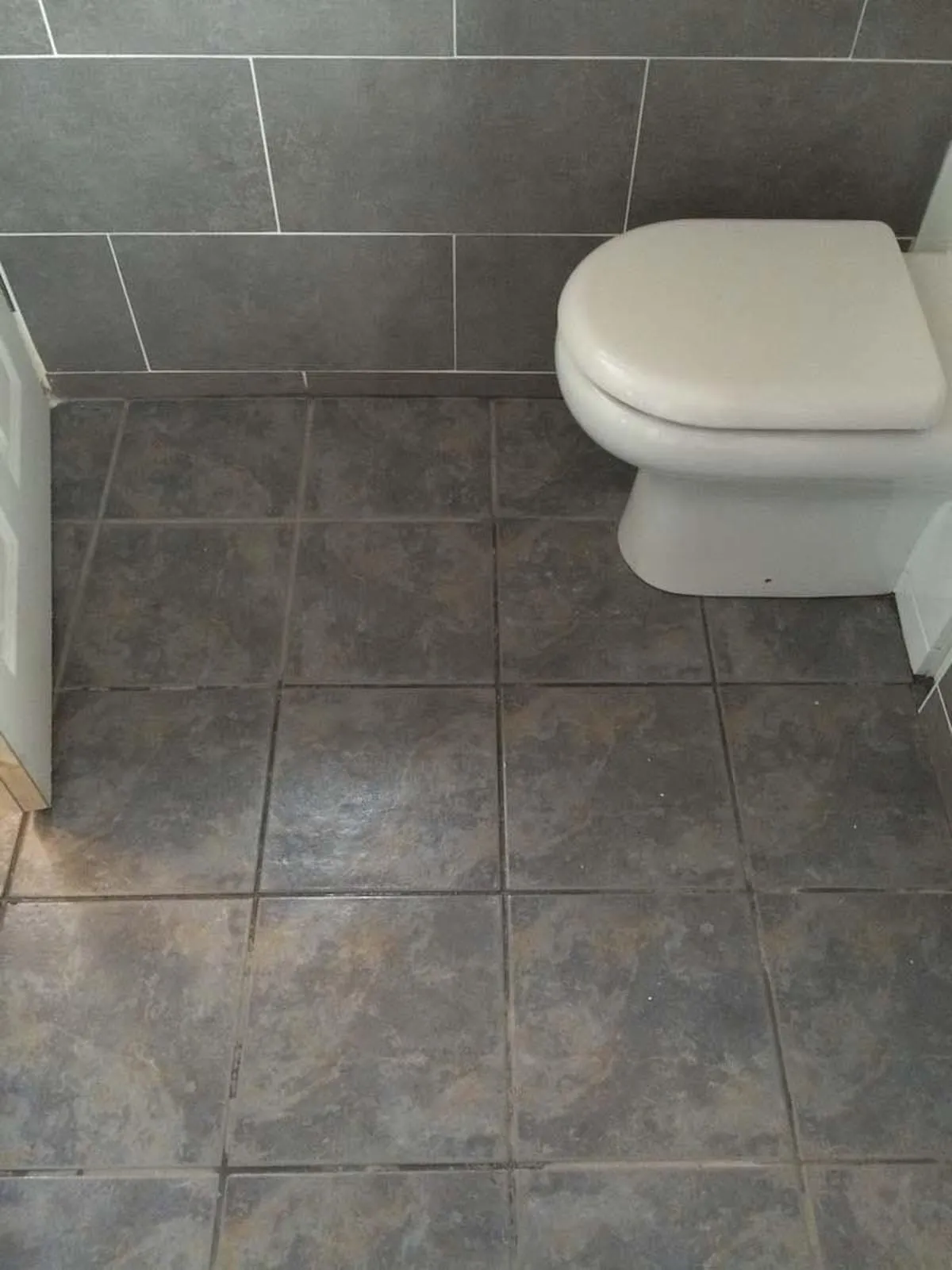
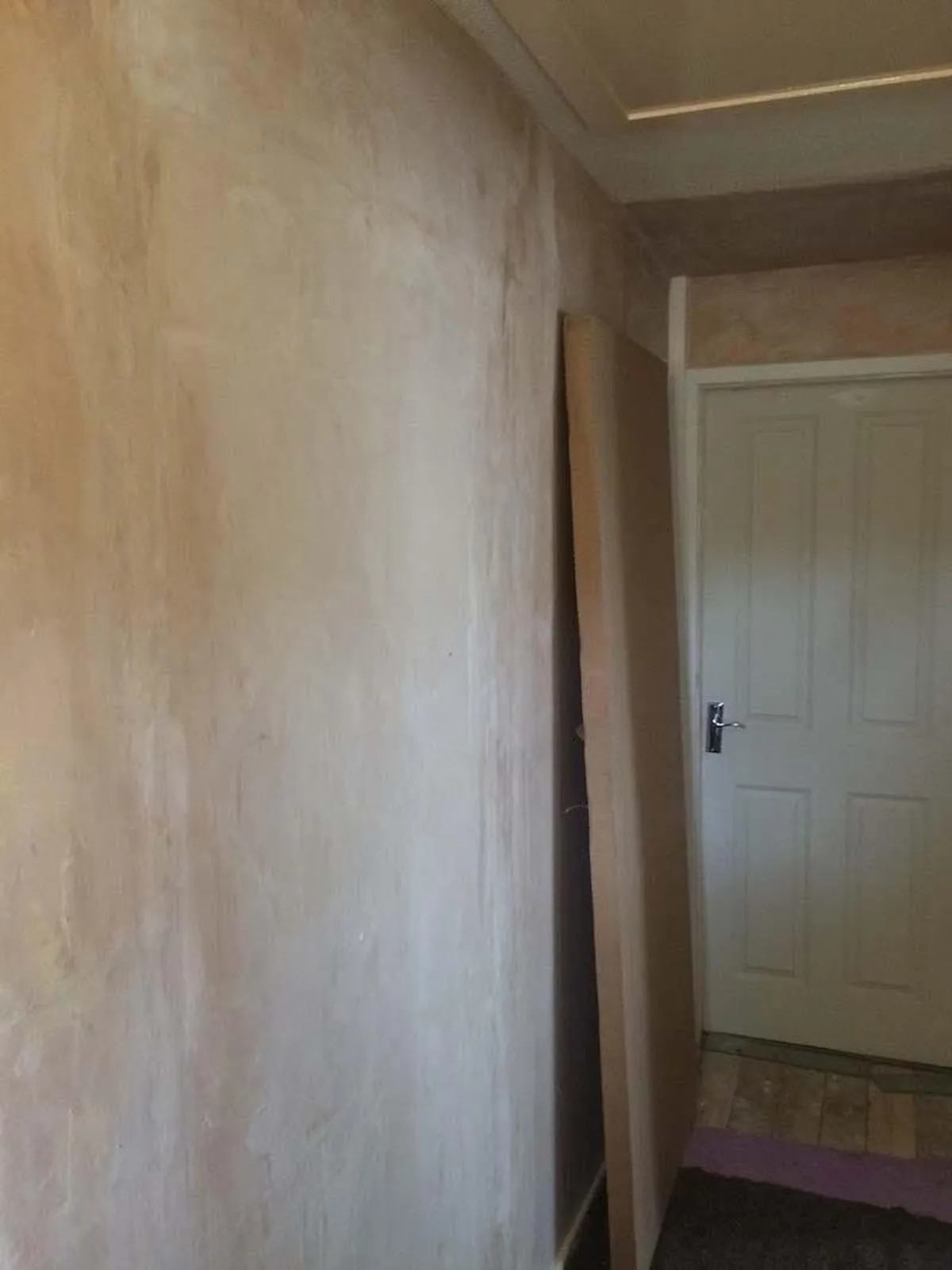
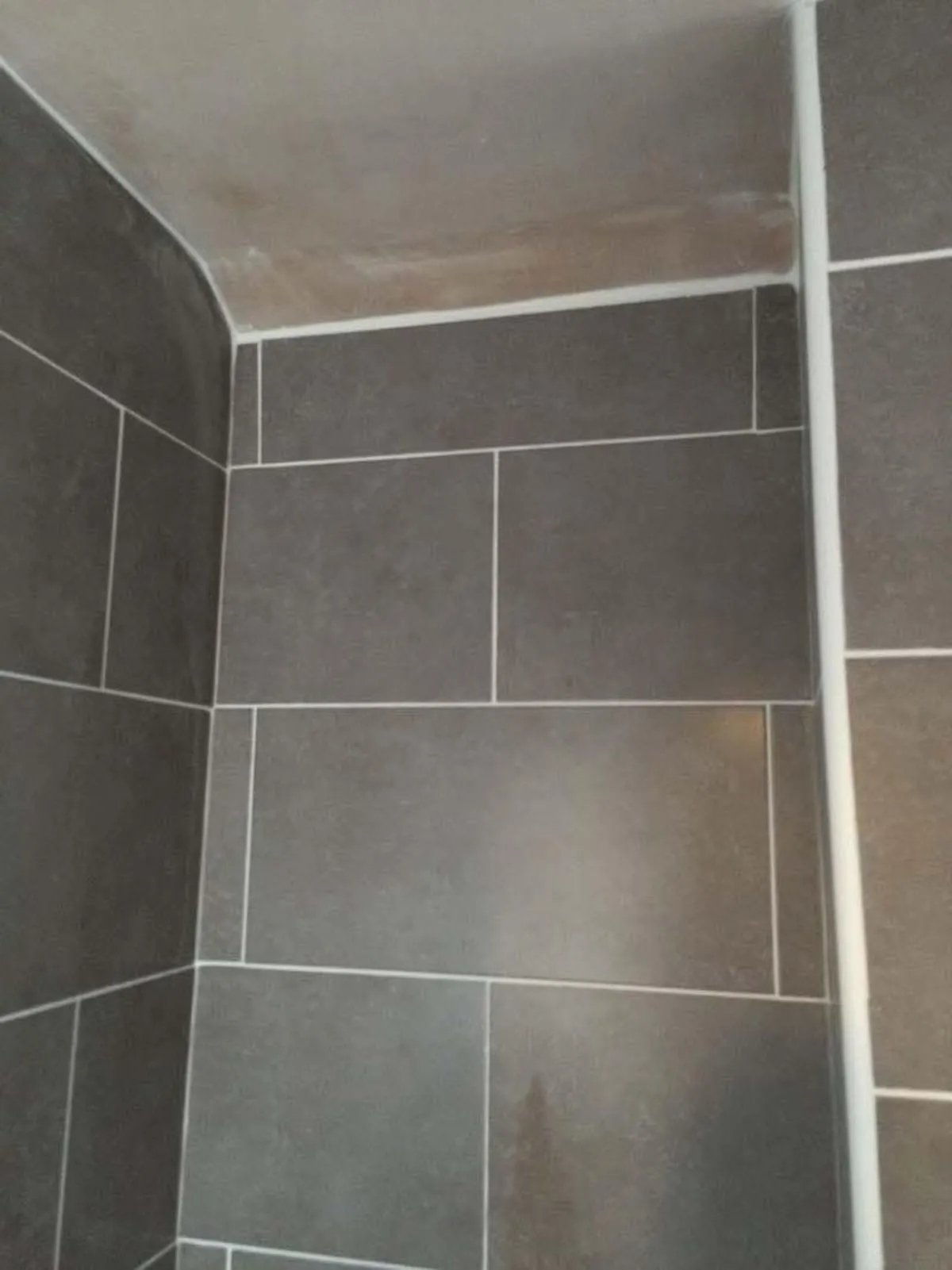
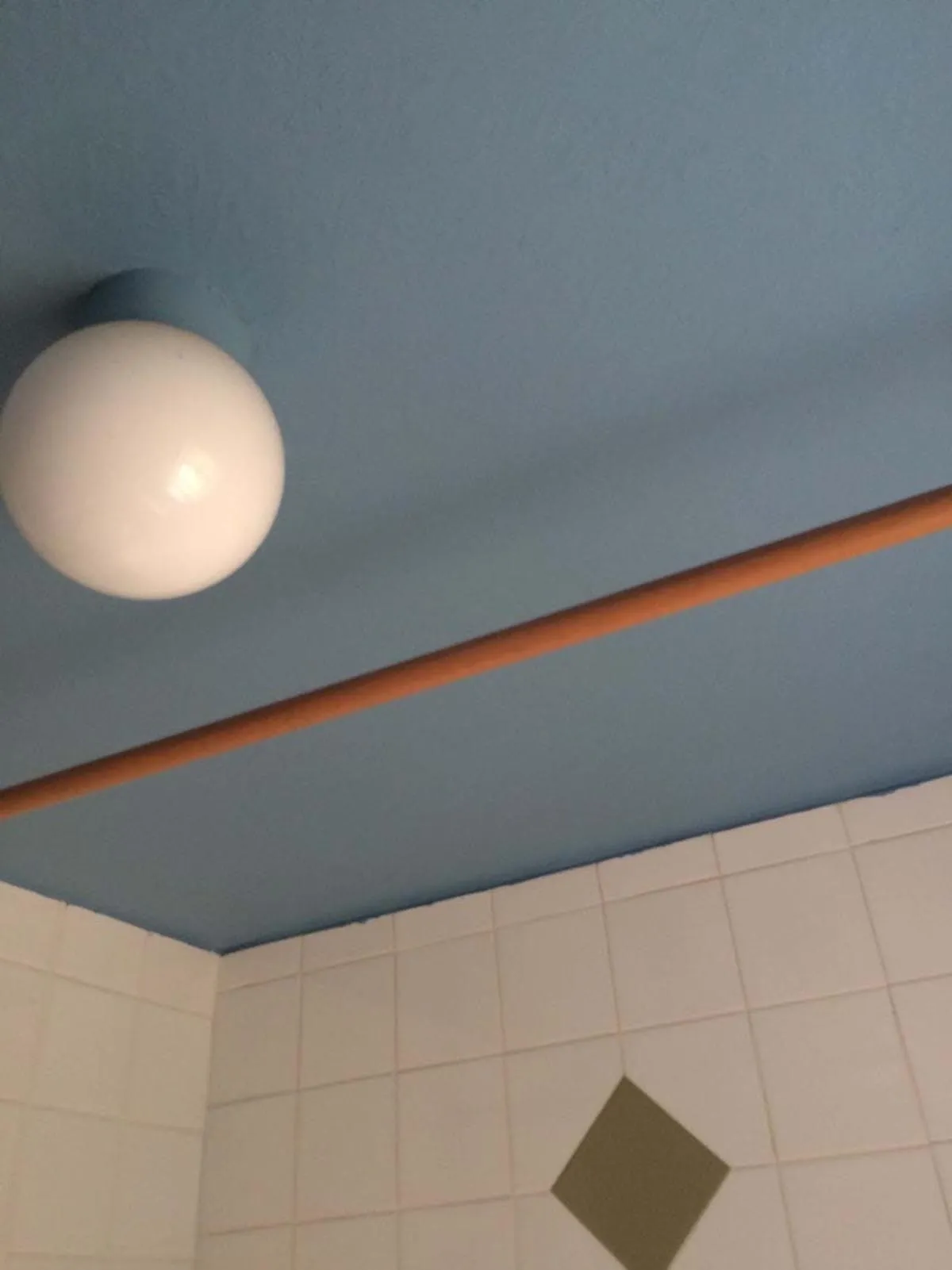
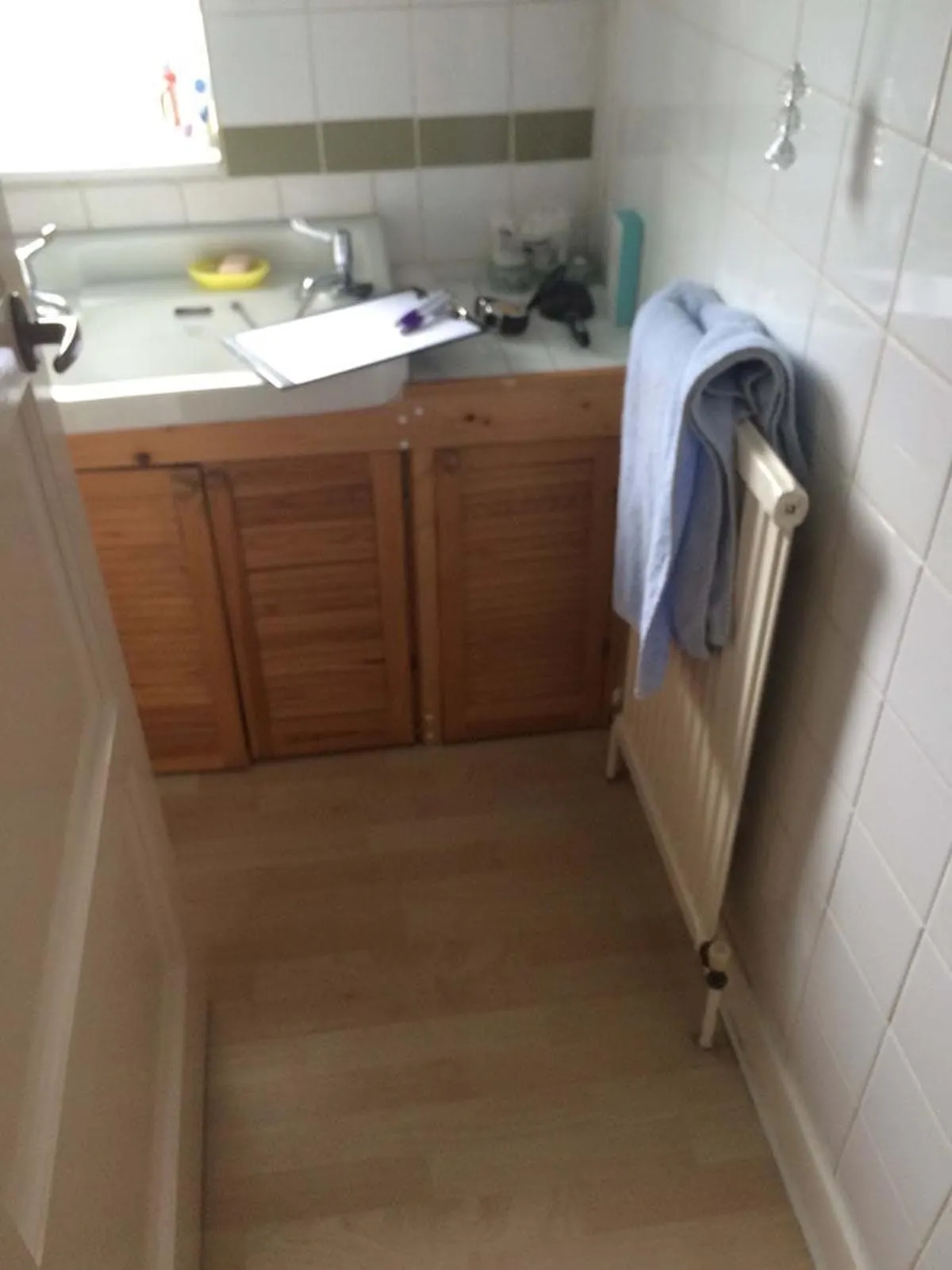
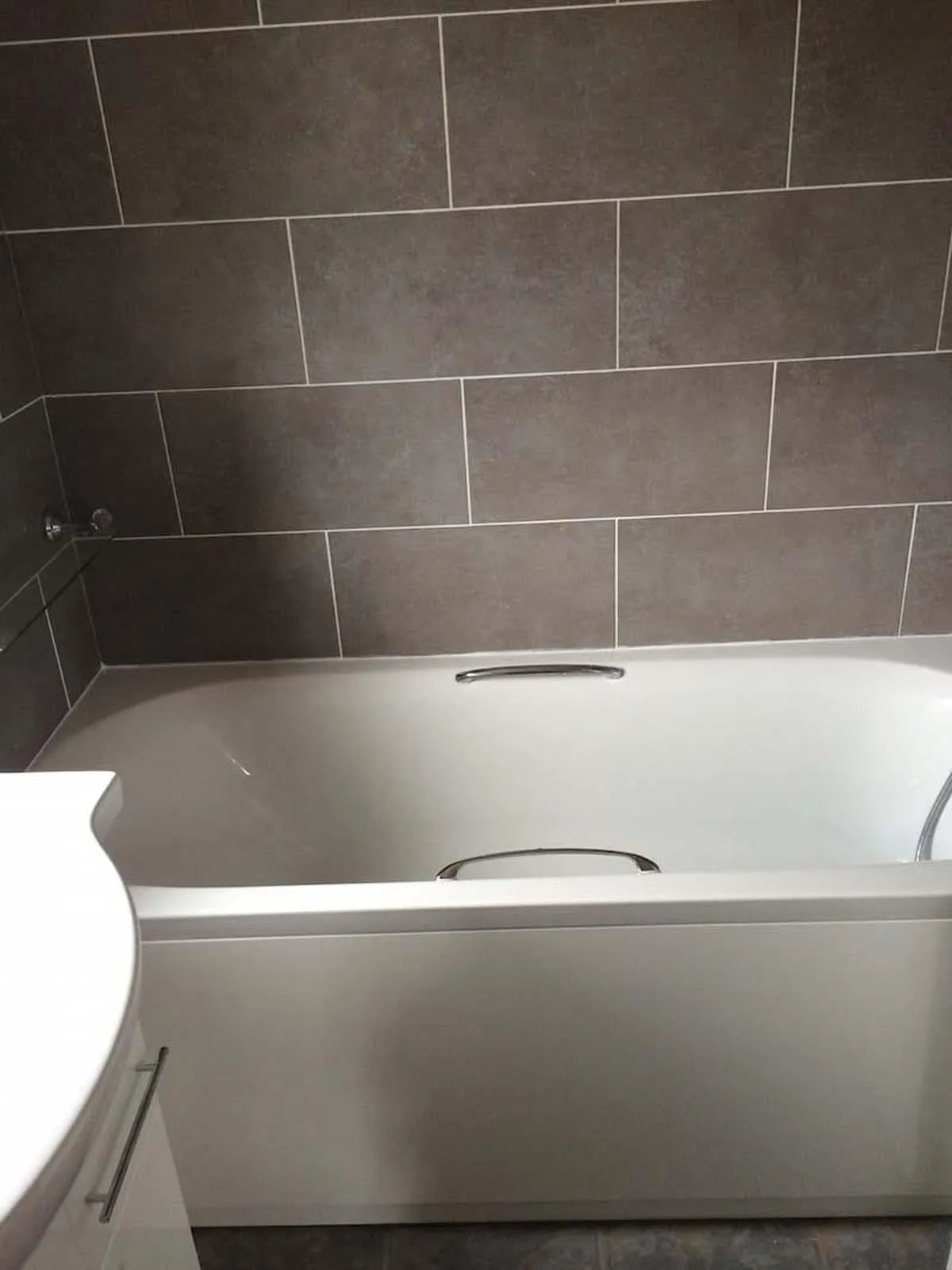
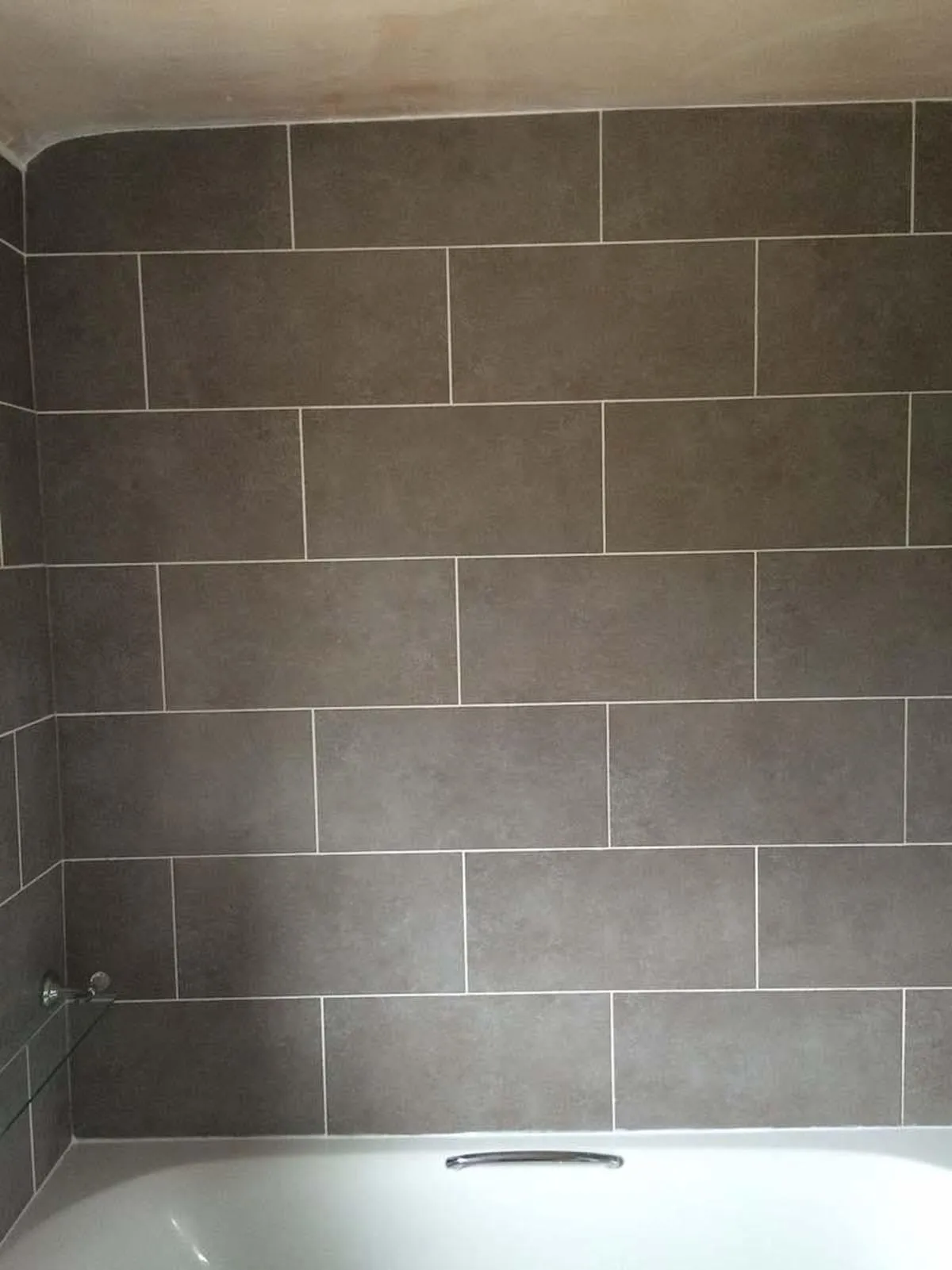
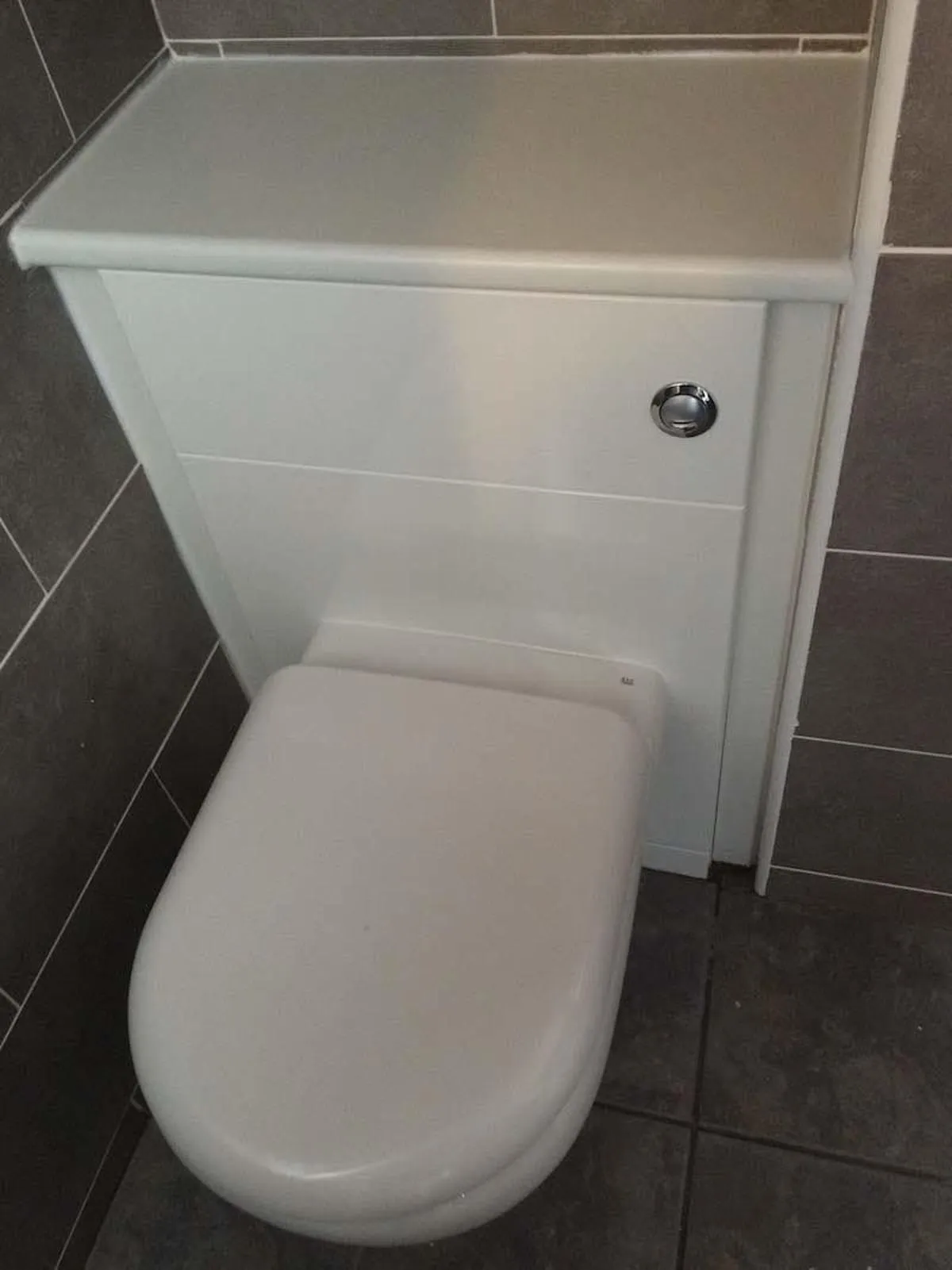
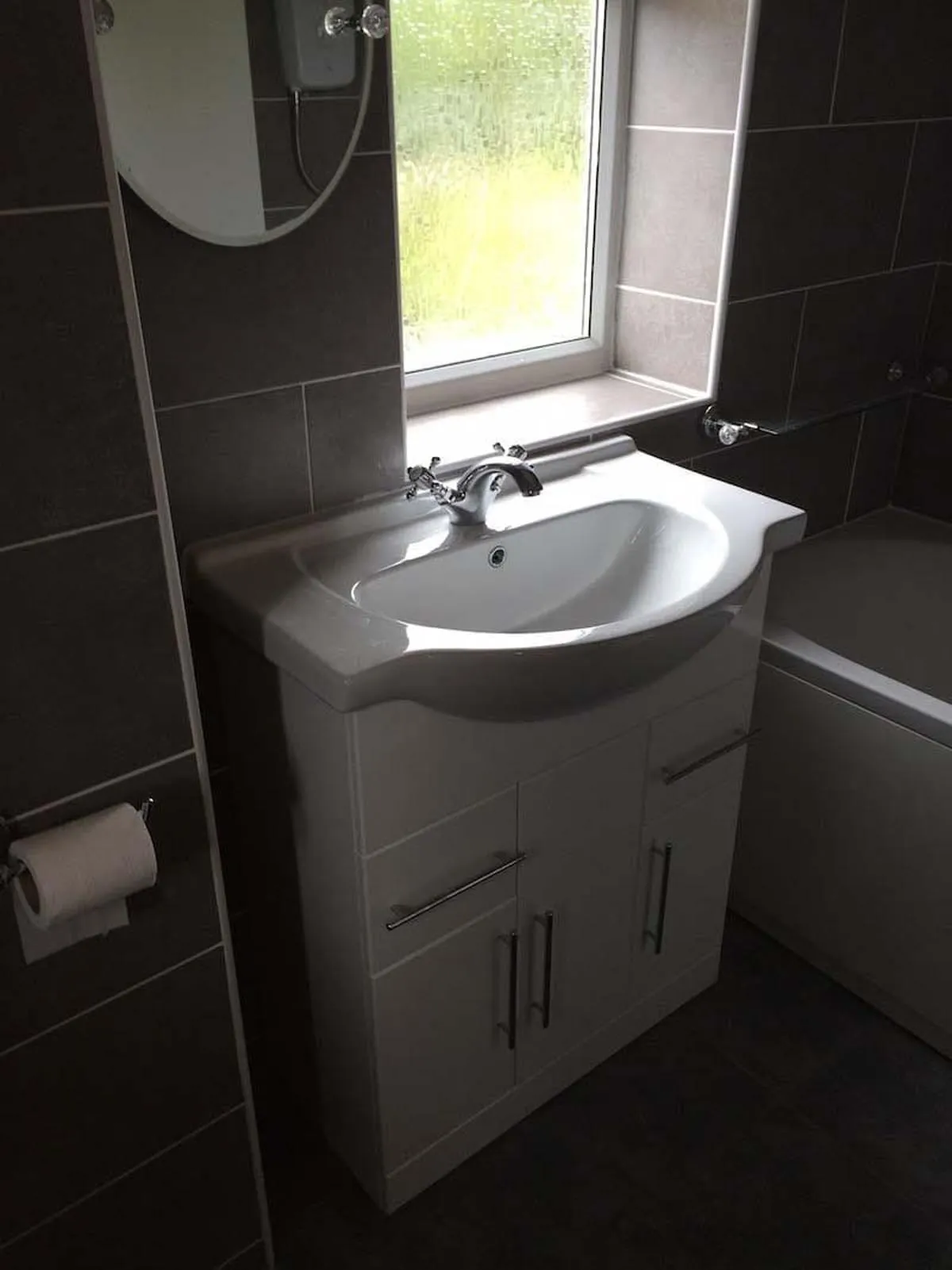
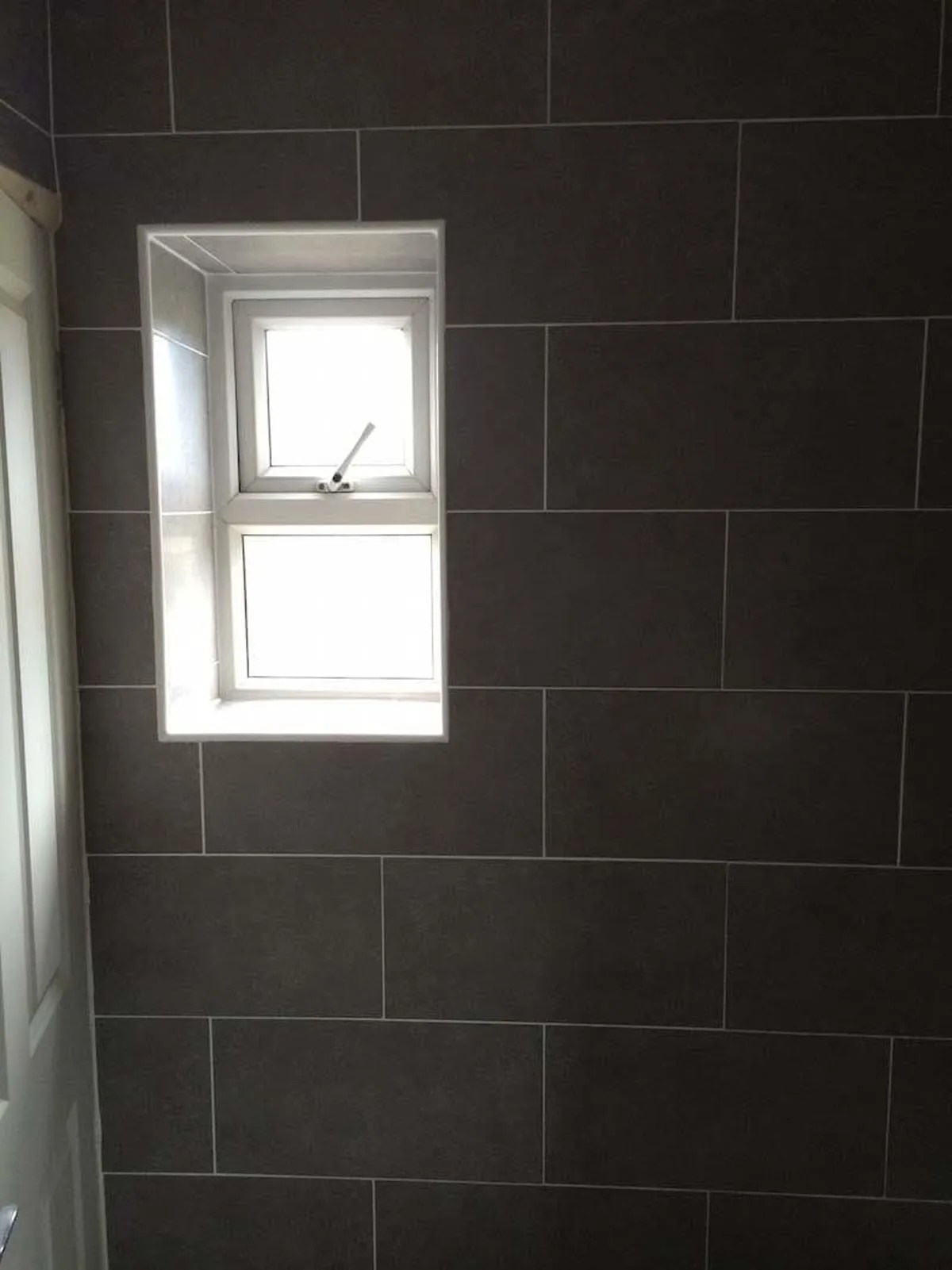
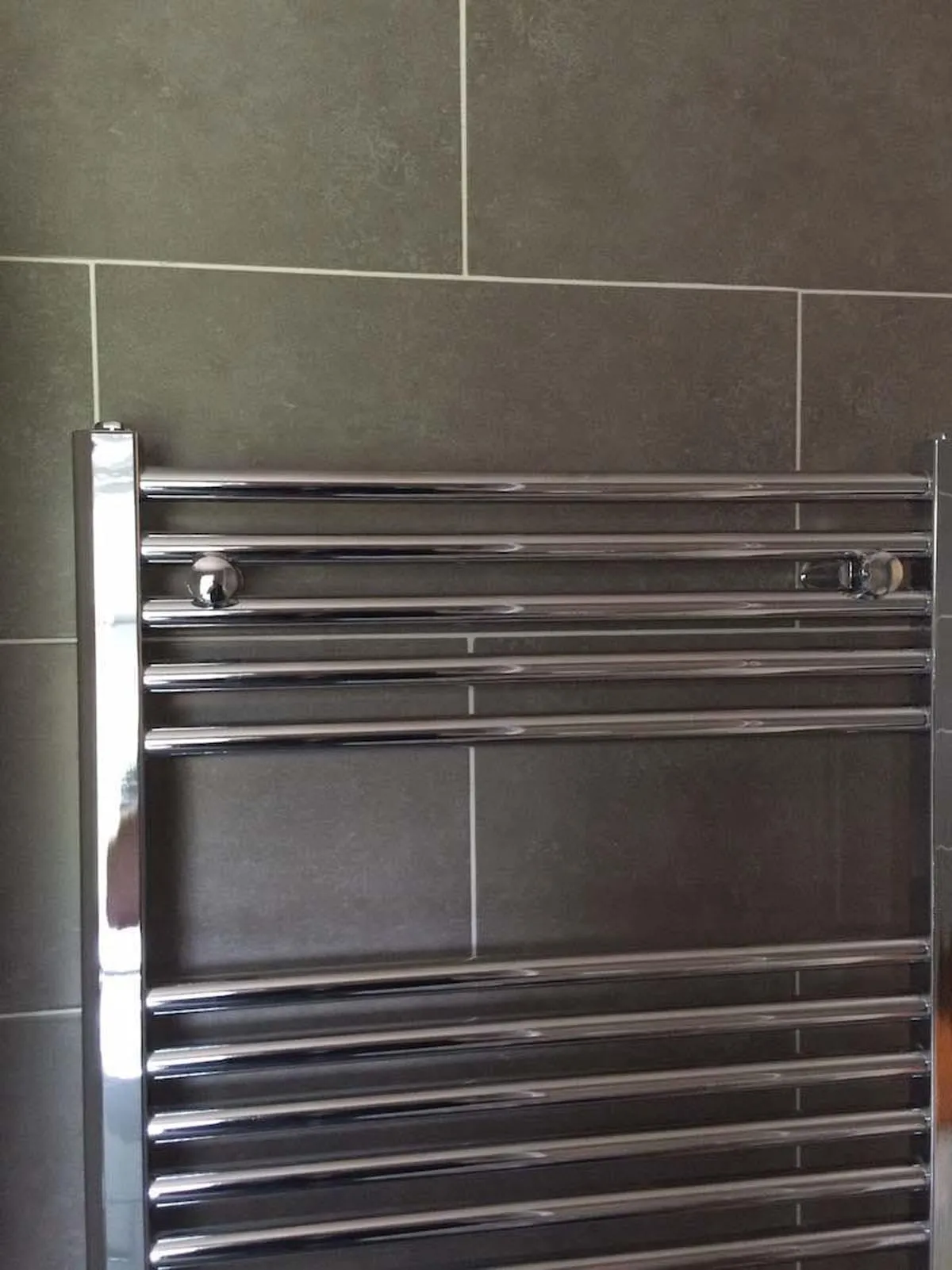
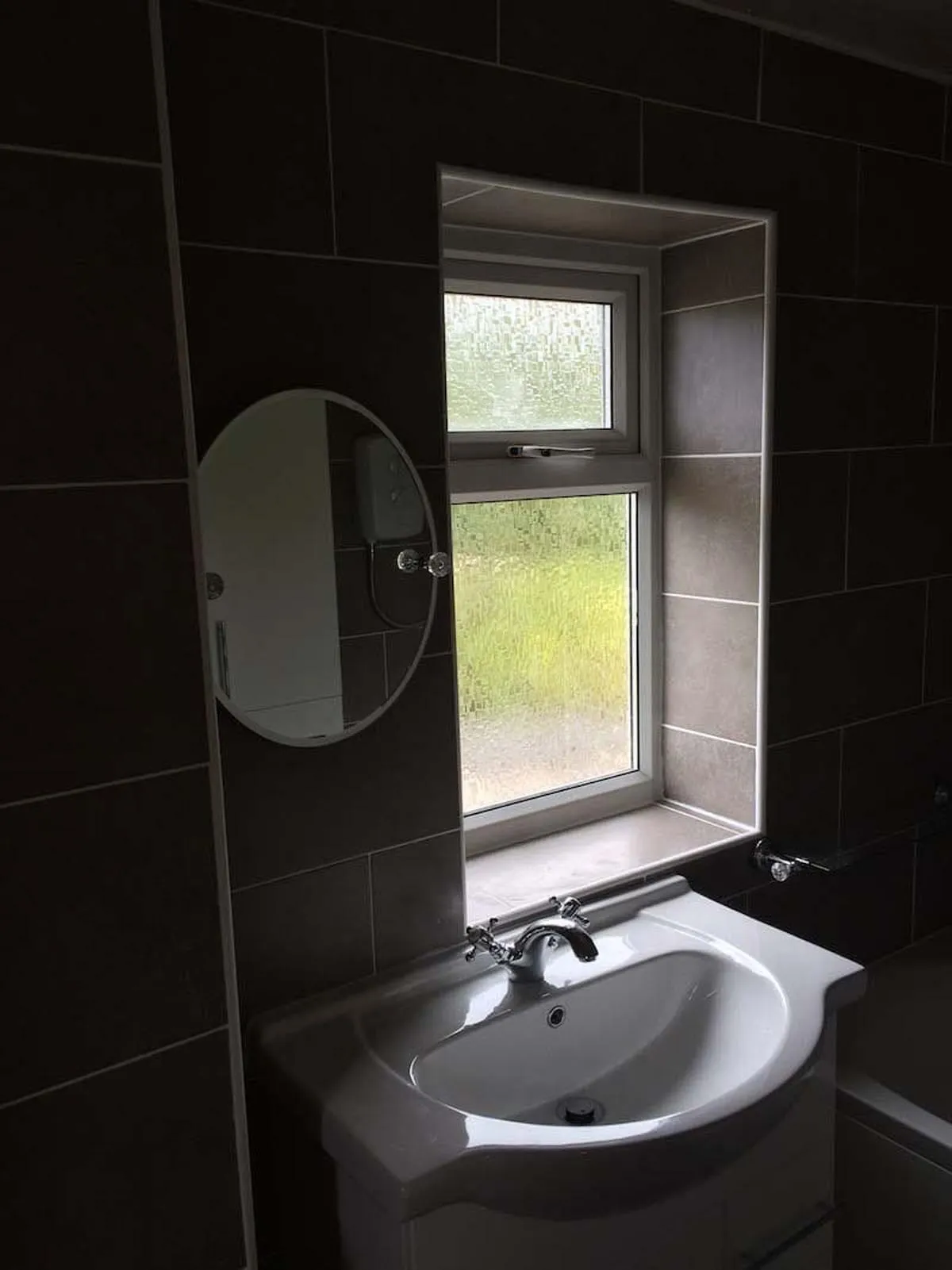
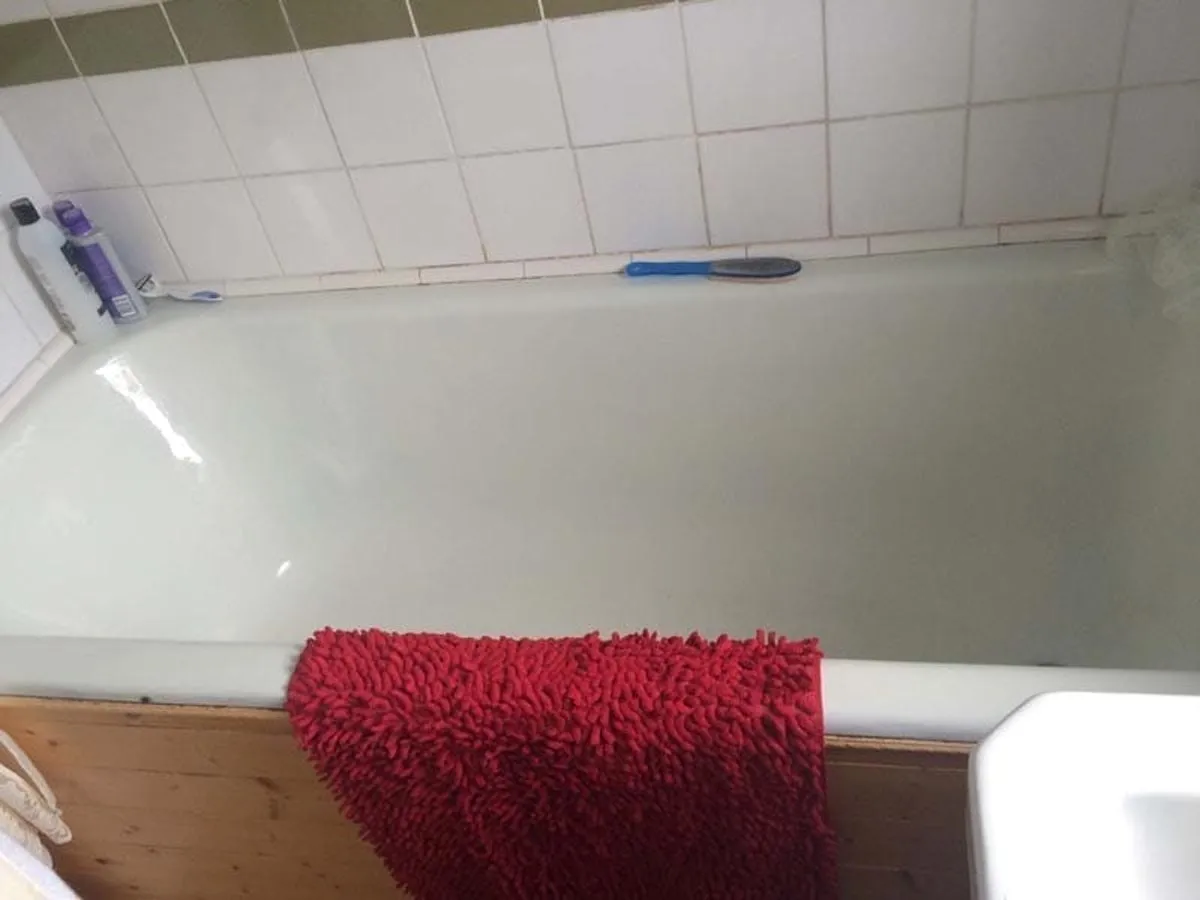
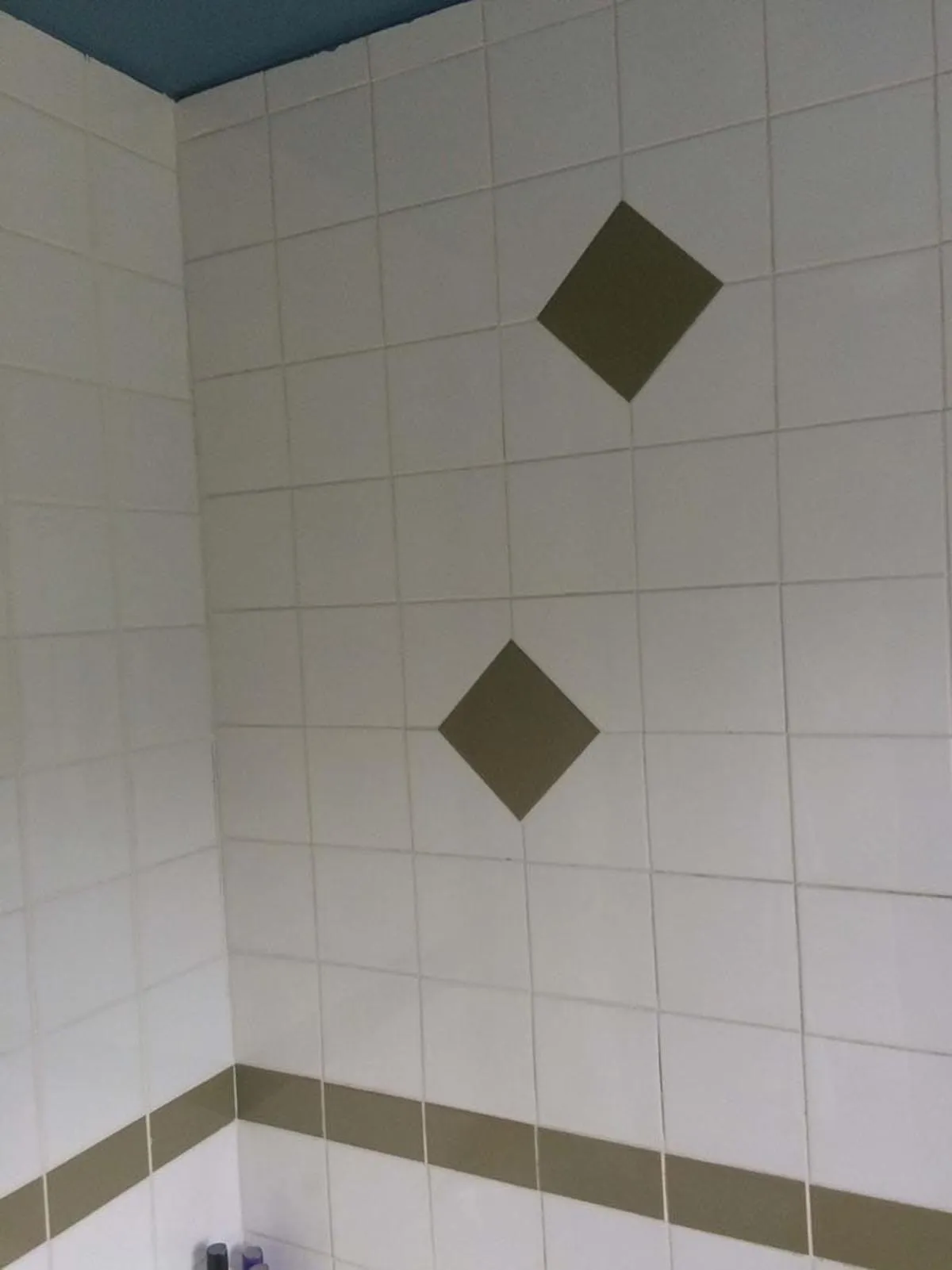
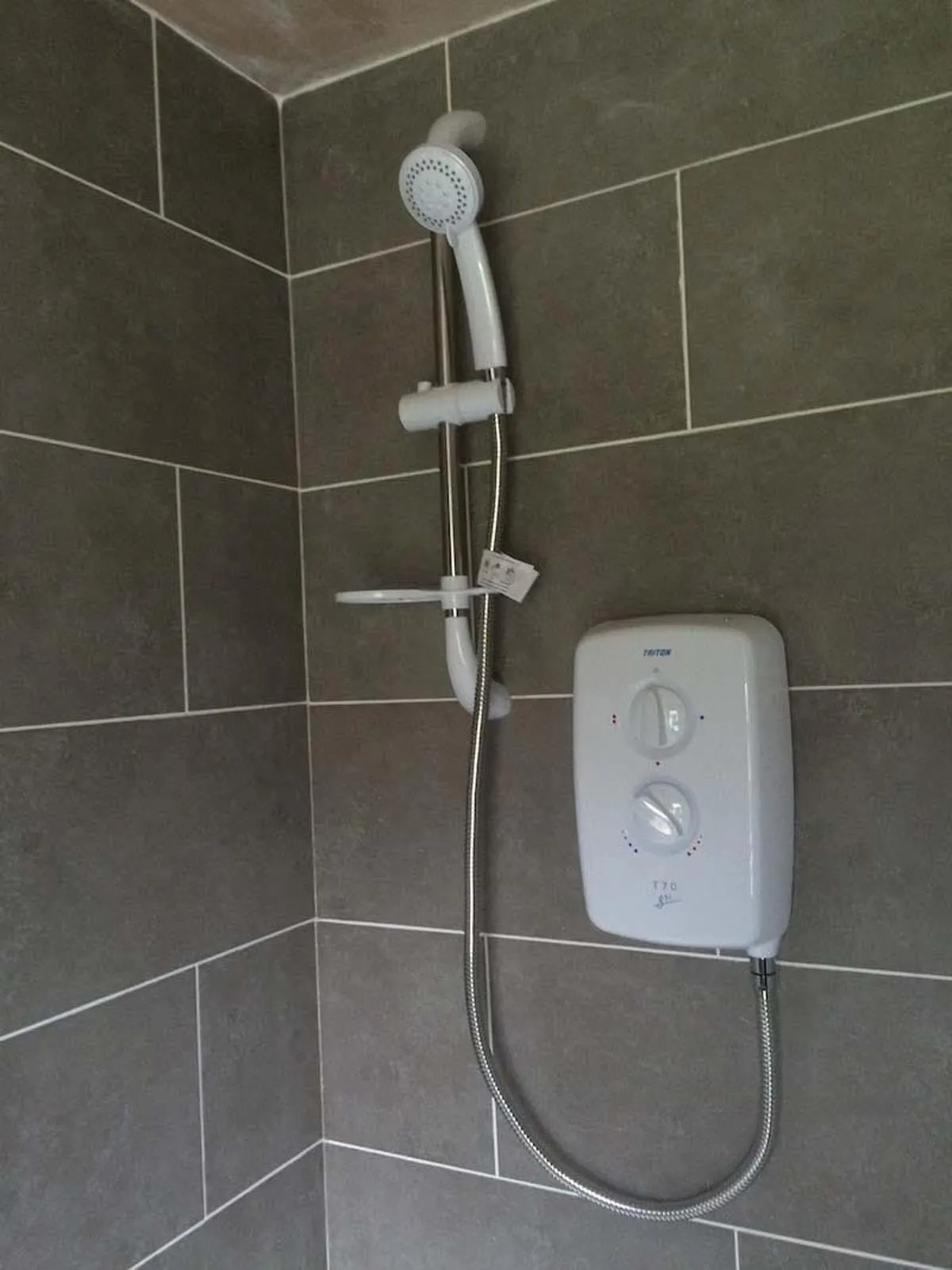
Click the images to view as a gallery. There are 24 images in this gallery.
| Was the Sales designer polite and courteous? | 10 |
| Was the sales designer knowledgeable about the products you were choosing? | 10 |
| Did the sales designer show an interest in your improvement? | 10 |
| Were the installers polite and courteous? | 10 |
| Were the installers clean and tidy? | 10 |
| Did the installers follow good working times? | 10 |
| Overall, how would you rate the quality of the installation? | 10 |
| Were the customer care team polite and courteous? | 10 |
| Did the customer care team show knowledge and understanding? | 10 |
| Did the customer care team show ability and effectiveness? | 10 |
I Rated Aquarius Home Improvements LTD
100 / 100
About This Installation
A lot of the time, many of our bathroom installations are more straightforward with suite swops, new tiling etc. This particular installation was a little more technical as it involved removing a wall between a bathroom and toilet. Whilst not entirely difficult, its very important to ensure that a few things are checked beforehand to make sure the work goes as smoothly as possible when removing the wall.
Things to check when removing a wall between a bathroom and toilet.
Thew biggest hurdle to overcome when removing a wall between bathroom and toilet is checking whether the wall is load bearing or not. In simplest terms, this is checking whether the wall is a structural part of the house and if so, this will mean that extra care and considerations have to be taken into account.
In order to determine whether the wall that is being removed is load bearing you need to take a look at a couple of things. A quick look can save you thousands on having to get surveyors and engineers in to check.
- Is there a wall directly below the wall you are wishing to remove? If you are removing a wall between a bathroom and toilet and there is another wall directly beneath it, the chances are that they are load bearing and are a structural part of the house.
- Are the ceiling joists resting on the wall? Even if there is no wall directly below the wall you wish to remove, it doesn't mean its not taking the load of the ceiling and / or roof above it. Go into the loft and see if there are any ceiling joists resting on the wall. More commonly than not, if the wall is following the same line as the ceiling joists, its likely that they are not resting on it and therefore you can remove it easily.
Once you've ascertained whether the wall is load bearing, you can then plan how you are going to remove it.
If the wall is load bearing, and your not too familiar with removing this type of wall then our suggestion is to employ the services of someone who does.
If the wall is not load bearing then, its simply a case of starting at the top removing each brick, or block and working your way down to the bottom. You may find that as you remove the bricks, they're tied into the wall at either end. This is simply a job of breaking them out carefully.
Whats required after removing a wall between a bathroom and toilet
A lot of the time, most people forget the residual works required after removing a wall between a bathroom and toilet. New skirting boards will be required, the ceiling will have to be plastered, and more often than not, the whole room will need to be plastered or tiled afterwards.